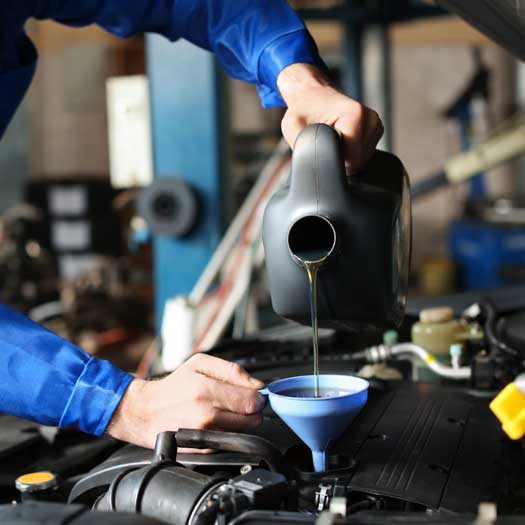
Oil change: Get a free quote • Fast response
Oil change
Wondering when you should change the oil in your car? Are you unsure what an oil change actually involves? An oil change is a simple and affordable service that helps extend the life of your engine considerably.
Here you can read more about oil changes and get an oil change quote from an auto repair shop in your area.
Get a free quote for an oil change
Send us a short description of your wishes and needs, and we’ll help you find the best suited auto repair shop for your particular job.
Your contact information will only be used in connection with the request. Your personal data will not be disclosed to unauthorized persons.
What does an oil change cost?
The price varies somewhat based on the type of car, engine size and which auto repair shop you choose. An oil change typically costs between NOK 1.000-2.500. This includes oil, oil filter and labor.
Most modern cars have an engine size of 1-2 liters, and for these the price tends to be at the lower end of the scale, around NOK 1.500-1.800. Engines with a capacity of 2.5 liters and above can quickly reach NOK 2.000 or more. An oil change on a motorcycle is somewhat more affordable and typically costs between NOK 500-1.000.
If your car has a specific type of engine or needs a specific type of oil, the price may be slightly higher. It’s best to contact the auto repair shop directly for a specific price request tailored to your car.
What affects the price of an oil change?
The cost of an oil change is largely dependent on the type of car you have, and the auto repair shop you choose. In areas with many auto repair shops, the competitive situation can mean that some repair shops have to price themselves lower to stay competitive. An auto repair shop that has been in business for many years and has good feedback from previous customers tends to price itself in the upper echelon. This affects the price of oil changes:
Car make and model
- Engine size
- Oil type and quality required
- Location of oil filter and drain plug
Type of auto repair shop
- Branded repair shop vs independent repair shop
- Reputation of the workshop
- Hourly rate for work
- Price of oil and filter
Oil and filter changes are usually included in all services. If you’re good at following your car’s service program, you usually won’t need oil changes beyond this.
How often should you change the oil?
Recommendations vary, but the general recommendation is to change the oil once a year or at 15.000km.
Modern cars tend to have longer intervals between oil changes than older cars. Nevertheless, the rule is the same: Follow the recommendations in the car’s service booklet. There, the manufacturer specifies the correct oil change interval for your particular car.
The intervals typically vary from 10.000 to 30.000km or every 1-2 years, whichever comes first. Many cars have a system (oil service indicator) that reminds the driver to change the oil when it’s time.
Remember that driving patterns affect oil life. Lots of short trips and city driving take more wear and tear than long drives on the highway. In addition, conditions such as dust, heat, cold and humidity can cause the oil to break down faster.
It can be tempting to postpone an oil change, but it is strongly discouraged. Old, dirty oil loses its ability to lubricate. This causes the engine’s moving parts to wear out faster. To avoid costly engine breakdowns, regular oil changes are cheap insurance.
Why should you change the oil?
Engine oil has a tough job. It lubricates all moving parts in the engine and reduces friction and wear. It also cools the engine, seals cavities and helps keep the engine clean. But over time, oil breaks down.
The oil is contaminated by dirt, soot particles and condensed water from the combustion process and normal wear and tear. Additives that counteract oxidation, corrosion and foaming also gradually break down and lose their effect.
The result is that old, dirty oil loses its ability to protect the engine properly. Dirty oil can clog oil channels and filters and prevent lubrication of vital parts.
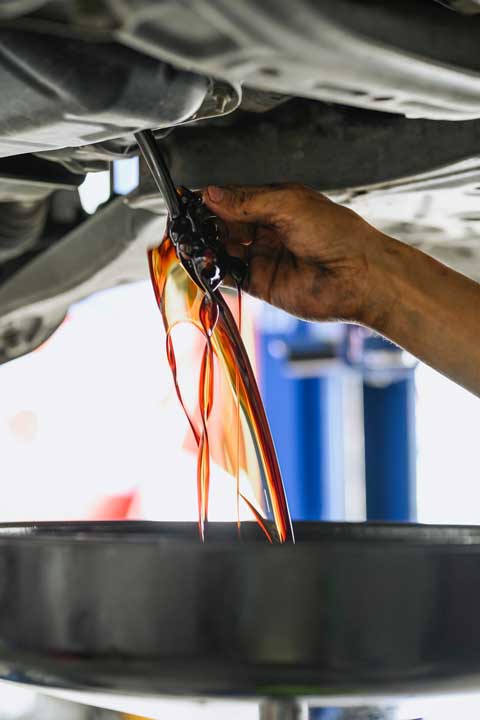
An oil change removes old, contaminated oil and replaces it with new, clean oil that retains all its protective properties. This avoids unnecessary wear and tear, overheating, deposits and, in the worst case, expensive engine breakdowns.
What should I keep an eye on?
It’s a good idea to keep an eye on your engine oil between oil changes. That way, you’ll quickly notice if something isn’t as it should be. Here are some things to keep an eye on:
- Oil level: Check the oil level regularly with the dipstick. Too little oil can lead to major engine damage. High oil consumption can indicate leakage or wear.
- Oil stains on the ground: Oil stains under the car probably mean an oil leak. Don’t drive on until you’ve found the cause. Just a small leak can drain the engine of oil.
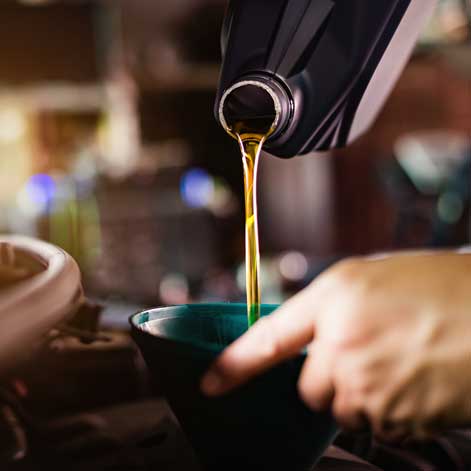
- The appearance of the oil: New oil is amber and shiny. If it becomes very dark and cloudy, it means it is full of dirt and needs to be changed.
- Oil lamp: A lit oil light on the dashboard indicates low oil pressure and can mean critically low oil. Stop the engine immediately. Driving without oil can completely destroy the engine.
- Engine sound: A louder or different engine sound, knocking or clanking may be due to low oil. Check the oil level and top up if necessary. Visit an auto repair shop immediately for a check.
Can you change the oil yourself?
The short answer is yes – it’s perfectly possible to change engine oil yourself if you’re handy and have the right tools. But there are some good reasons to leave the job to the professionals.
Firstly, it can be tricky to get to, depending on the car model. Many newer cars have plastic covers underneath that need to be removed. Finding the right type, filter and amount of oil for your particular engine can also be a challenge.
Most auto repair shops have equipment to drain the waste oil in an environmentally friendly way, which is important to avoid pollution. In addition, an auto repair shop will happily inspect the car for wear and tear and other potential faults.
An oil change is often part of a larger service program adapted to the car’s age and mileage. Even if you change the oil yourself, you can’t stamp it in the service booklet like an auto repair shop can. So if you want a full history before a possible sale, the auto repair shop should do the job for you.
What does oil service mean?
An oil service or oil change means that the old engine oil is drained and replaced with new, fresh oil. But it’s usually more comprehensive than that.
Most auto repair shops also change the oil filter during an oil service. The oil filter cleans the oil of dirt particles and is often changed at the same time as the oil.
Most also check the general condition of the car at the same time. This may involve checking tire pressure, fluid levels, lights and instruments. Wear parts such as wiper blades, drive belts and brake pads are also often checked. Many people choose to have their oil changed in connection with service. This usually results in a better overall price compared to ordering an oil change in isolation.
In addition to the actual service, auto repair shops document their work in the car’s service booklet. This serves as a logbook and documentation of value in the event of a sale.
How do I get a quote for an oil change?
To get a quote for an oil change, you usually need to contact the auto repair shop directly. You can call or visit the auto repair shop and provide your car make, model and year. Some auto repair shops also have price calculators on their websites.
If you want to save time in the process, you can use our service. We work with skilled auto repair shops all over the country that have extensive experience with oil changes on different car brands.
Fill in the form on our website and we’ll forward your request to the most suitable auto repair shop in your area. Our service costs you nothing and is completely non-binding. The auto repair shop that receives the request will then contact you directly to give you a quote and possibly set up an appointment for an oil change.